◆ E-COMMERCE ·
How I Built ArtResin: From Headaches in My Studio to a Global Brand
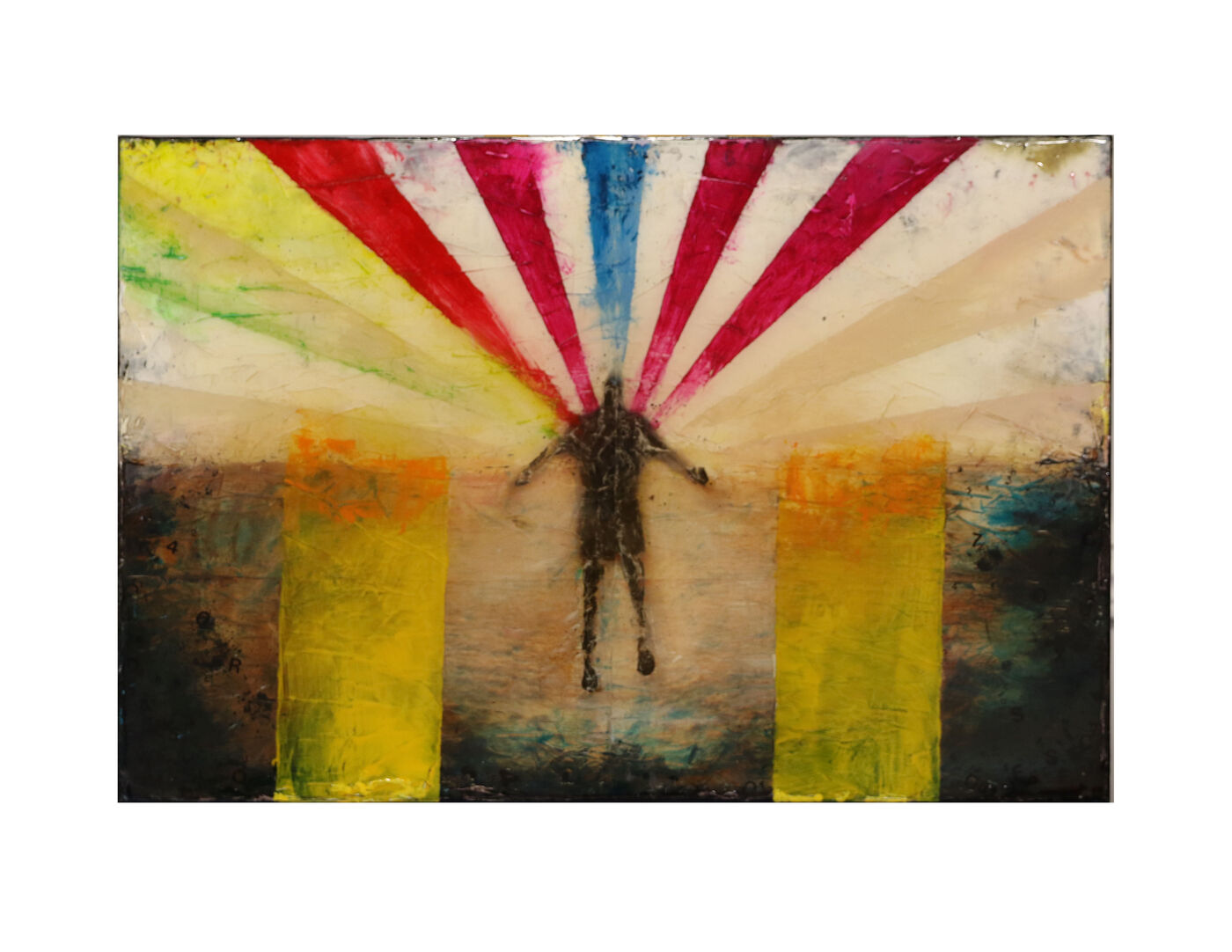
I was born an artist. I love to tinker, build, and finish things — and for years, the way I finished my artwork was with epoxy resin. There was just one problem: the resin available at the time wasn't made for artists. It was industrial product being used off-label. It gave me headaches in the studio. It yellowed over time and slowly ruined work I'd spent weeks on. Every artist I knew who used resin had the same complaints, and we all just accepted it, because there was nothing else.
That gap — a product everyone needed and nobody was making — is where ArtResin started, back in 2008.
Finding the chemists
I'm not a chemist. I'm a designer and a marketer who knew exactly what the product needed to be: safe enough to use indoors without a respirator, crystal clear, and formulated to resist yellowing. So I went looking for people who could build that formula, and I found them in Texas. We worked together on a specialized epoxy resin designed specifically for creative applications — not floors, not boat hulls, artwork.
Defining product specs and coordinating R&D through to market launch took about three years. That timeline surprises people. It shouldn't. If your entire brand promise is safety and archival quality, you don't get to rush the chemistry.
Marketing it like an artist, selling it like an operator
When it came time to sell, we ran two playbooks at once.
On the consumer side, we went all-in on education. YouTube tutorials showing exactly how to mix, pour, torch out the bubbles, and finish a piece. E-newsletters. Social media that treated customers like fellow artists, because that's what they were. People don't buy a two-part chemical product from a stranger — they buy it from the person who taught them how to use it. That educational content engine became the moat, and it's a philosophy I still carry into everything I build.
On the business side, it was much less glamorous: cold calls, trade shows, and B2B newsletters. Walking retail buyers through why an artist-safe resin deserved shelf space. Eventually it earned that space — including at major art retailers like Michaels and Blick, plus Amazon and our own store, which grew into one of Shopify's top Canadian shops.
Going global
Scaling internationally is a story of paperwork as much as product. Every new sales territory meant liaising with compliance regulators. We secured trademarks globally to protect the brand. We negotiated with raw material vendors around the world for pricing, terms, and logistics, and managed distribution through third-party warehouses on multiple continents to keep a perishable product fresh. North America, Europe, Asia, Australia — each one a project.
Along the way I got to work alongside my wife, Rebecca, who shares the artistic and entrepreneurial drive that started this whole thing. Building a company together is its own adventure — the challenges and the creative freedom come as a package deal.
What I'd tell anyone building a product brand
Three things held true for us from the studio headaches to the global shelf space. First, the best product ideas come from your own unsolved problems — I was the customer before I was the founder. Second, teach relentlessly; education is marketing that people actually thank you for. Third, the boring parts (compliance, logistics, trademarks) are where global brands are actually won.
In 2024, I exited ArtResin through a partner buyout, sixteen years after those first headaches in the studio. These days I'm back to my first love — motion design and creative direction — but ArtResin taught me how to build things that last.
Make art every day for 100 days. Get a short daily prompt from my workbook by email and a tracker that fills in as you go. Start the free challenge →
David Zak takes on a limited number of motion design and creative direction projects per quarter. See services, selected clients and availability at davidzak.com.