◆ ENTREPRENEURSHIP ·
The Art-Rental Business I Built and Wound Down
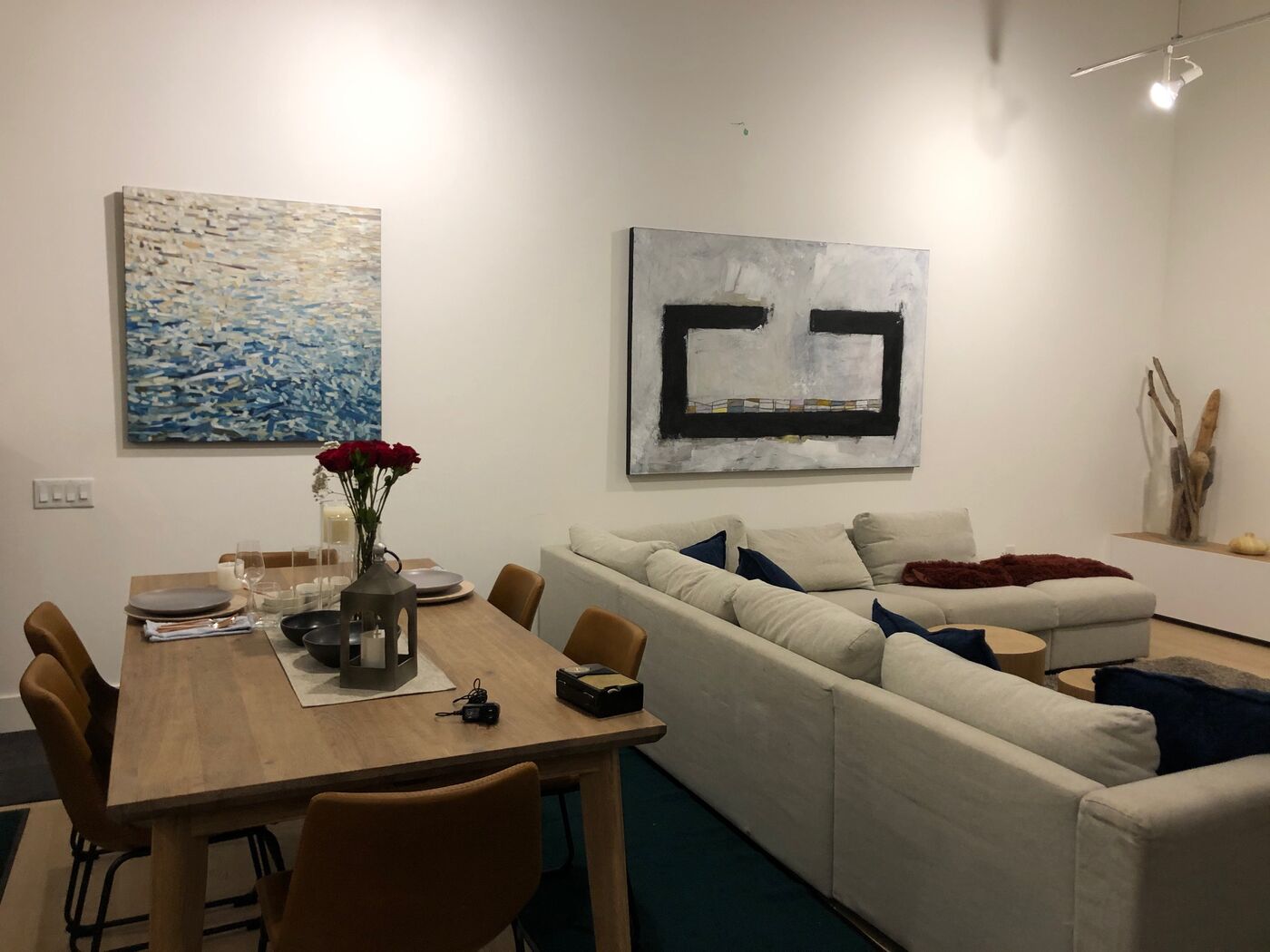
I have built a few businesses over the years, and they don't all end with a champagne toast and a wire transfer. Sometimes the right ending is a clean sale, a quiet shutdown, and moving on without drama. The art-rental business I ran at artrenting.com was one of those.
If you want the fuller picture of the different ventures I've run, the bio page lays it out. But this story deserves its own space, because it taught me something specific about a risk that doesn't get talked about enough: what happens when your entire business depends on one industry continuing to function.
The Idea Was Simple and Genuinely Useful
Film sets, television productions, and commercial shoots all need dressed environments. A living room scene needs art on the walls. An office scene needs something on the credenza. A high-end kitchen needs a carefully chosen piece hanging above the island. Production designers and set decorators source that stuff constantly, and buying original work for every shoot is expensive and impractical. Renting made sense.
So that's what I built. Through artrenting.com I rented out paintings, prints, and original pieces to productions that needed set dressing and props. The inventory grew to hundreds of pieces over time. The business had a real purpose, it served a real need, and the demand was consistent, right up until it wasn't.
There's something I find genuinely interesting about niche businesses like this one. The narrowness is a feature, not a flaw, at least in the beginning. You're not fighting for shelf space with a hundred generalist competitors. You know exactly who your customer is. The model is tight and easy to explain. I've written a bit about how that kind of focused entry can be an advantage in this piece on naive entry, and the art-rental business is a good example of that principle in practice.
The Fragility Nobody Warns You About
Here is the thing about building a business that serves one industry: you are not just running a business. You are running a bet that the industry keeps running.
When industry strikes halted film and television production, demand for set-dressing art didn't slow down. It stopped. There were no sets being built. There were no productions calling to arrange a rental. The entire customer base went quiet at the same time, not because of anything I did or didn't do, but because the production pipeline itself had been switched off.
That's a different kind of problem than losing a client, or facing a new competitor, or having a bad quarter. Those are problems you can work on. You can chase new clients. You can improve your pricing. You can run better ads. But you cannot will an industry back to work. You cannot pivot your way around an industry-wide stoppage when that industry is the whole market.
I sat with that for a while. The strikes weren't going to last forever, and production would come back eventually. But the experience made something very clear to me: the business had a structural fragility baked right into it. Even when production resumed, the next time something similar happened, I'd be back in the same position. The risk wasn't a fluke. It was a feature of the model itself.
Winding Down Gracefully
Once I made the decision to wind it down, the goal was to do it cleanly. Hundreds of pieces of inventory don't just evaporate. They need to go somewhere, and the way you handle that matters.
I sold off the inventory. A large lot went to a competitor based in Toronto. I'll be honest, there's something a little funny about selling your stock to a competitor, but it's also just practical. They had the infrastructure to absorb it. The pieces would keep being used the way they were meant to be used. It was a good outcome for the inventory, and it let me close the chapter without dragging it out.
The rest of the pieces were sold off individually. No fire sale panic, no storage fees piling up, no boxes sitting in a corner waiting for a market that had moved on. Just a methodical sell-through, and then it was done.
I still own the artrenting.com domain. Maybe someday the model makes sense again in a different form. Maybe not. Either way, I'm not in a rush.
What I Took Away From It
Building a niche business is often the smart play, and I still believe that. But niche can also mean fragile in ways that diversification would have softened. If your only customer is one industry, you need to be honest with yourself about what happens if that industry pauses, contracts, or changes.
The other thing I took away is this: knowing when to stop is a skill, and winding down well is underrated. There's a version of this story where I hold on too long, drain resources, and turn a clean exit into a messy one. I didn't do that. I made the call, sold the inventory, and moved on. That feels like the right ending.
Not every venture I've built has been ArtResin. Most of them won't be. But they all teach something, and this one taught me to look hard at the single points of failure hiding inside a clean business model.
If you want to see where my current work and client projects live, head over to davidzak.com.
Make art every day for 100 days. Get a short daily prompt from my workbook by email and a tracker that fills in as you go. Start the free challenge →
David Zak takes on a limited number of motion design and creative direction projects per quarter. See services, selected clients and availability at davidzak.com.